

 Martina Jaureguy
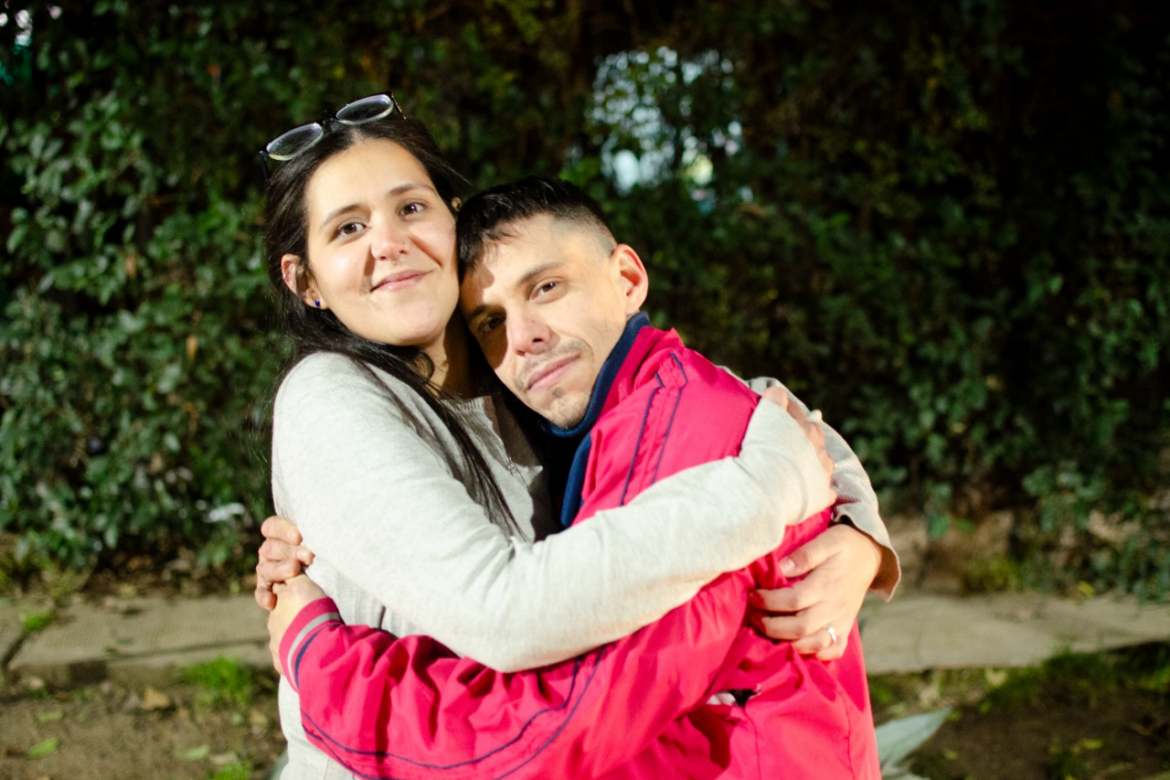
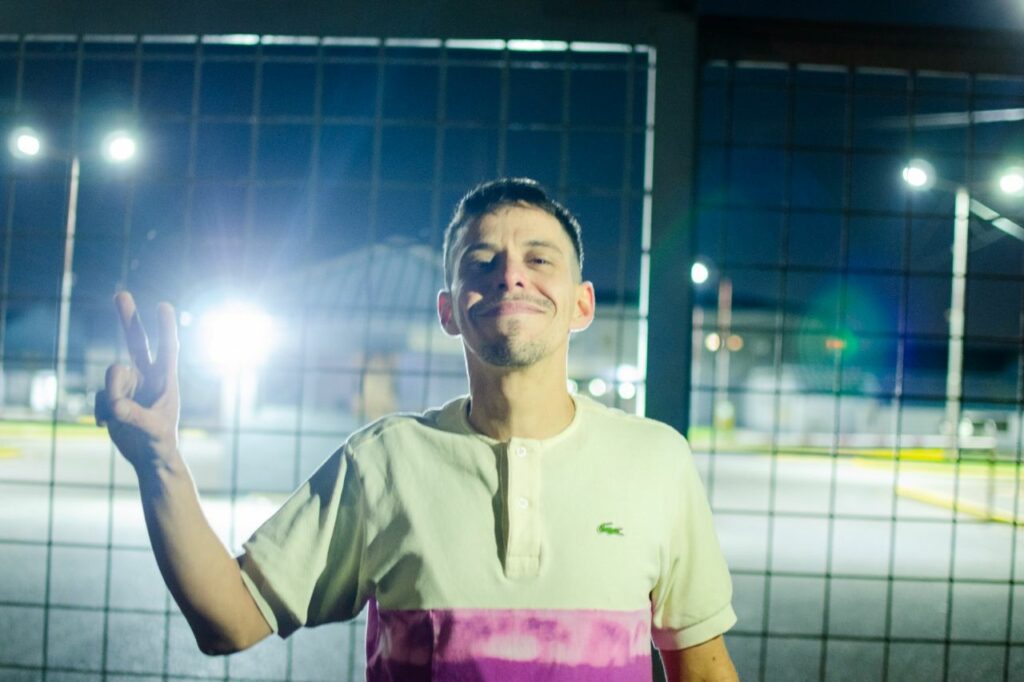
 Facundo Gómez, one of the five people who remained imprisoned for protesting President Javier Milei’s Ley Bases in front of Congress on June 12, was released on Thursday. The charges against him, however, have not been dropped: he has been indicted for alleged public intimidation and attacking police authorities.
“It’s a bittersweet moment because he is still indicted. This is not over; there’s still a long way to go,” his sister Micaela Gómez told the Herald.
Gómez was arrested along with 32 other people amid the police crackdown against protestors. They were taken to federal prisons and accused of crimes, including attacks on Argentina’s constitutional order. The government initially said they were “terrorists” who attempted to carry out a coup. There have been ample calls for their release, among questions about the proportionality of charges and the criminalization of protest in Argentina.
Facundo Gómez was sitting in the square in front of Congress talking on the phone with his mother as senators discussed the Ley Bases. It was 7 p.m. and most protesters had already left when federal police officers arrested him with the excuse of checking his criminal record. He was released on Thursday after spending three weeks in a federal prison located in Ezeiza, Buenos Aires province, accused of jumping over a 2-meter-high fence, throwing objects at law enforcement, and encouraging other protesters to do the same.
The Federal Appeals Court accepted Gómez’s defense request to release him on the condition that he commits to presenting himself before judge María Servini upon her request and that he doesn’t move out of his registered home.
The other four detainees — Patricia Calarco Arredondo, David Sica, Cristian Fernando Valiente and Roberto María de la Cruz — will remain under arrest, the court ruled on Thursday.
In the ruling, Appeals Court judge Martín Irurzun said the crimes Gómez is accused of “do not have any connection with the evidence” and what witnesses testified last Monday. Given that he has no criminal record and does not show signs of potential flight risk, “there are no risk indicators for the judicial process” that justify him being in pre-trial detention.
While 28 of the 33 people arrested during the protest have been released over the past weeks, the charges have not yet been dropped. Judge Servini determined a “lack of merit” for them, meaning that there is not enough evidence to indict them or drop the charges, and that charges would automatically drop if no new clear evidence is found against them within 10 days. Prosecutor Carlos Stornelli, however, has appealed the decision to release them and there have not been any developments in their legal situation yet.
The arrest
When Gómez’s mother heard odd noises from the other side of the line and the call ended, she started calling her son back. After several attempts, a police officer answered the phone. “Your son can’t speak right now. We arrested him to check his criminal records. Your son was somewhere he wasn’t supposed to be,” the officer said, according to Micela. “I wasn’t there,” Gómez yelled.
That was the last they heard of him until 9 p.m., when he managed to text his family without anyone noticing. He was at the back of a police truck with his hands tied, but managed to set himself free and get to his phone. “They are taking me to jail,” the message said.
He spent the night at a police station in Villa Lugano with some of the other 33 people arrested. A family friend managed to give him water, cigarettes, and food. The rest of the detainees’ relatives had bought pizzas for all of them, but they never received them.
“The officers ate them all in front of them,” Micaela said.
The next day, Gómez was taken to testify at the Comodoro Py court and then transferred to the Ezeiza prison with other detainees. “When they went inside the facility, the guards made them stand against a wall. They were just talking and then the guards told them to shut up and sprayed them with tear gas,” Micaela said.
On Thursday, the Inter-American Commission on Human Rights (IACHR) urged Argentine authorities to respect people’s freedom of assembly. “We are concerned about the disproportionate use of public force against journalists and individuals who take part in peaceful protests in Argentina, as well as about acts of violence perpetrated by private citizens during those protests,” the IACHR said.
You may also be interested in: ‘It was a literal hunt’: Argentines march demanding release of imprisoned protesters
Cover photo: courtesy of Nehuen Rovediello