
 Fernando Romero Nuñez
 The Copa de la Liga Profesional will start its fourth edition Thursday, August 16 with a lot to play for. These are the leading candidates for the title, qualification spots to the Conmebol cups and two relegations.
Just a month after River Plate won the Liga Profesional, Argentina’s first-division teams resume competition with a cup-style tournament in the second half of the year.
For the Copa de la Liga Profesional, the 28 first-division teams are divided into two 14-team groups (zonas in Spanish). The clubs will play thirteen fixtures, plus an extra fixture in which they play against their derby rival regardless of what group they’re in. If a team does not have a traditional adversary (think Boca vs. River), it is designated a team within the first division.
Fans can head to their team’s home stadiums for at least six games
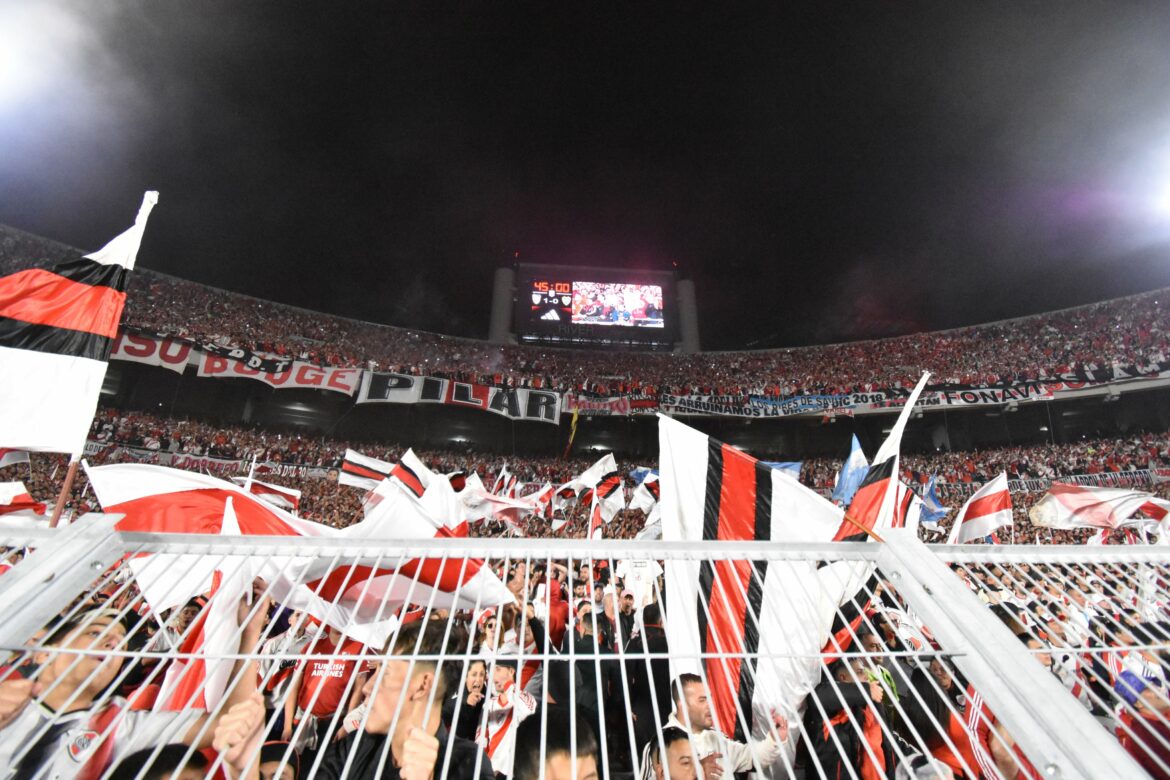
Teams will play in their home stadiums in at least six games, meaning that fans will be able to support their club in person. However, attendance will undoubtedly suffer after a 40% increase in both membership fees and general tickets announced this week by the Argentine Football Association (AFA for its Spanish acronym).
The top four teams from each group will then qualify for the quarterfinals, where the two firsts play against the twos fourths and the seconds against the thirds.
As of the quarterfinals, the games become direct elimination matches which are played at neutral stadiums. In the event of a tie, the match will be defined by penalties. The AFA has yet to confirm whether fans from both teams will be allowed to attend the games. The semifinals and final will be played in the same format but with two 15-minute extra time halves before the penalties in case of a tie.
The first stage will be held between August 17 and November 26, with mid-week match days initially scheduled for September 20, October 18, and 25. The final phase will be between December 3 and 16.
The Copa de la Liga Profesional winner will play the 2023 Trofeo de Campeones (Champions Trophy) defined in a single match against River Plate. The winner then qualifies for the regional Copa Libertadores in 2024.
In the same way, the Trofeo de Campeones winner will play the Supercopa Internacional against the team that finishes first in the annual table — defined by aggregating the points from the local tournaments. The annual table also determines the Argentine teams that will play in the Copa Sudamericana and Copa Libertadores next year.
Group A
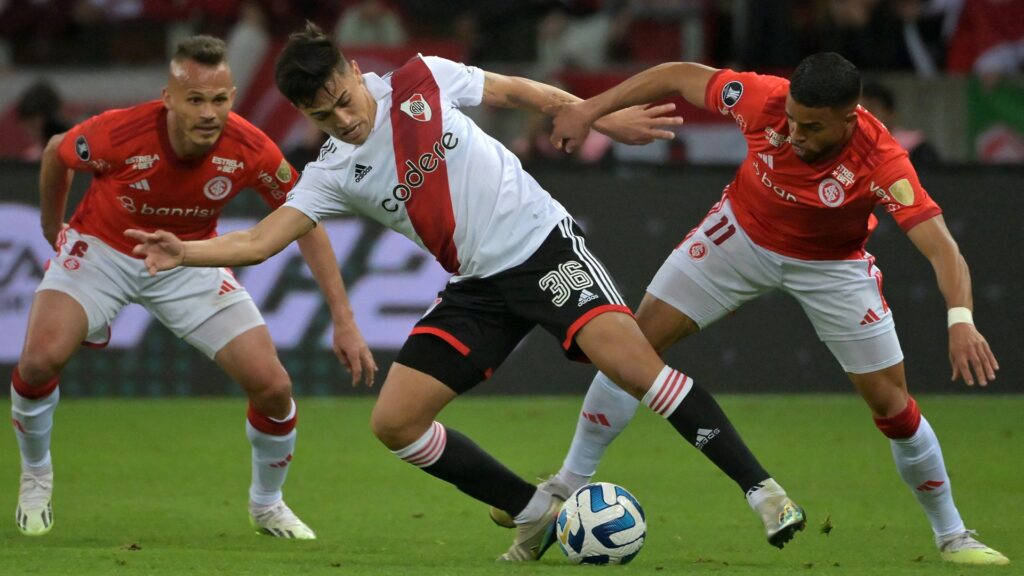
Liga Profesional winners River Plate is in Group A and is the main candidate for the title. Martín Demichelis’ team kept most of their best players and added top reinforcements such as Facundo Colidio and Manuel Lanzini. Having been eliminated from the Copa Libertadores by Brazil’s Internacional, and from the Copa Argentina by Talleres, this is their last chance at some more silverware.
This group is shaping up to be one of the most interesting, as 10 of the 14 teams are under threat of relegation. This season, Argentine clubs can get relegated either by the Averages Table (which averages points achieved in the last three seasons) or via the Annual Table (which aggregates every point achieved in the season).
Arsenal de Sarandí is currently last in both the Annual Table and the Averages Table — an almost sure-fire relegation — while Huracán and Colón are in the relegation zone in the Annual Table.
Not far away from them are Independiente, Vélez, Instituto, Banfield and Gimnasia y Esgrima La Plata, with Barracas Central and Atlético Tucumán also in the mix.
Rounding off Group A are Rosario Central and Argentinos Juniors, who may also qualify for the Copa Sudamericana, and Liga Profesional runner-up Talleres.
Group B
In Group B we find Boca Juniors and Racing Club, the only remaining Argentine teams in the Copa Libertadores 2023, along with Estudiantes de La Plata and Defensa y Justicia, who are both in the quarterfinals of the Copa Sudamericana.

San Lorenzo, eliminated from the Copa Sudamericana by Brazilian giants Sao Paulo, will look to repeat the great Liga Profesional performance and secure a spot for next year’s Copa Libertadores. Defensa y Justicia, Estudiantes de La Plata, Lanús, Godoy Cruz, Newell’s, Belgrano, and Tigre are also in the running.
Completing Zone B are Central Córdoba, Unión, Sarmiento, and Platense, all more concerned with the local fight against relegation than gaining a spot in international competitions.
–with information from Télam
