

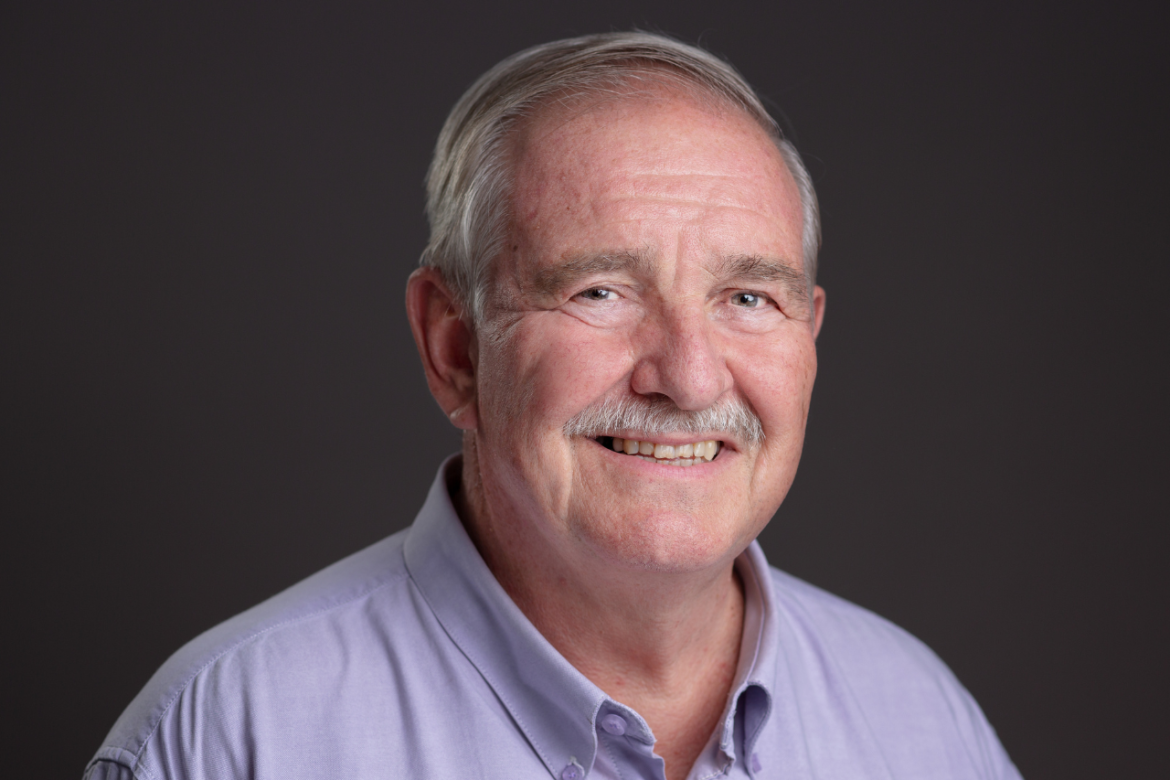
 Danielle Ames
 David Nutt is no stranger to controversy.
The psychedelics expert, a professor of neuropsychopharmacology at Imperial College London, infamously clashed with the British government in 2009 after comparing the harm caused by taking ecstasy to the dangers of horse-riding. Later that year, he was fired from the UK’s Advisory Council on the Misuse of Drugs after he publicly criticized the government’s decision to tighten the legal penalties associated with cannabis: his stance, while based on evidence, was politically inconvenient for the authorities.
Fifteen years later, social attitudes to psychoactive substances are evolving, with the emergence of innovative new therapeutic uses of ketamine, growing openness around “microdosing” (taking very small doses of substances such as LSD) in the tech community, and growing numbers of countries legalizing cannabis.
Today, in addition to his professorship, Nutt chairs Drug Science, an independent nonprofit he founded to advocate for evidence-based drug policy free from political interference. He will be presenting his ideas at LaPsyConf, which is taking place in Buenos Aires on October 8, 9 and 10. More than 20 experts will debate mental health, longevity and well-being around emerging therapies.
Nutt spoke to the Herald ahead of the event about his work advocating for the lifting of an international ban on psychedelics, the therapeutic value of these substances, and how governments — including Argentina — can reduce the suffering caused by drugs.
What will you talk about at the conference?
It’s very clear what I want to say. I’m going to say that the international ban on psychedelics of the 1971 UN Convention is the worst censorship of research in the history of the world. It’s led to probably 100 million excess deaths and disorders like depression, PTSD, alcoholism and other addictions. It’s outrageous for that reason, and it should be revoked as soon as possible.
What should be in place instead?
An evidence-based regulation of these drugs as medicines… there are very high safety margins so they should be medicines. The decision to stop them being medicines was a political decision. It was driven by the U.S. government trying to stop or slow down the anti-Vietnam movement, it was never based on evidence of harm, and it was a punitive decision to remove them from the medical pharmacopeia.
I believe it was a deliberate ploy to try to eliminate knowledge of these drugs so that they couldn’t be used in future to essentially produce political change. And of course, that didn’t work. There was no evidence that banning them had any impact whatsoever on recreational use, it just stopped medical use. And so for 55 years people who needed them, doctors who need to research them have not been able to. It was a cynical ploy to try to stop people knowing about that, and their patients were the victims.
How long have you been working towards revoking this ban?
I didn’t start out wanting to change the UN convention, I started out wanting to understand what psychedelics do in the brain. We established that, and then we realized that they had huge therapeutic value.
Their history showed they had huge therapeutic value, too. It suddenly dawned on me what impact convention had, which is denying access to medicines we now know are therapeutic.
How are attitudes towards psychedelics evolving, and why? For example, ketamine therapy and tech CEOs microdosing would have been taboo a decade ago.
Well the change is occurring for two reasons — the first is the science is much stronger now than it was 20 years ago, and that multiple different expert groups have evaluated the safety of psychedelics in comparison with other drugs, psychiatric drugs. They have all independently come to the conclusion that even when they’re used recreationally, they’re much less harmful than most other drugs, and when you use them clinically, well, you might only use one or two doses in a lifetime. They’re very, very, very safe.
So the myth of harm has been demolished, the myth they have no medical value has been demolished, and the myth that they’re addictive has been demolished. So the three pillars of the UN ban have been demolished.
But on top of that, there’s also the brain science, which not only shows how they work, but how they work differently from traditional medicines, and that’s where they have their real value, because they can work when other traditional medicines haven’t worked. SSRIs [a common type of mental health medication] they don’t work, but you can use psychedelics, and people can be healed in a very different way.
In 2022, 24 people died in Argentina after consuming adulterated cocaine and around 100 people have tragically died because of contaminated medical-use fentanyl. How can we reduce this kind of harm?
Well you start to ask, why do people take these drugs? If they’re taking these drugs because they’re addicts, then you have treatment programs…
The other, much longer-term or preventative approach, is to encourage people to take safer drugs than fentanyl or cocaine. Drugs like MDMA or psilocybin or ayahuasca are much less harmful, and also they’re probably healing, and they probably encourage people to stop using other drugs.
Also, you have safe injecting facilities, overdose prevention centers as we call them now. If people inject and collapse because they don’t know what they’re injecting, they can be resuscitated. And you have testing, where people can bring their drug for testing. If their heroin is actually full of fentanyl, then you can warn them not to take it. There are well-established harm reduction approaches.
If mental health care looked exactly the way that you envisioned it in 20 years, what would that look like?
Rational, sensible, proportionate to the harms. I mean, one of the problems is there’s so little investment in mental health care. There’s almost no research being done by pharma companies in mental health, because the rewards are so low. Basically any innovation has to be priced at the lowest price of, say, an antidepressant, which is like US$1 a day.
It’s very difficult to innovate and get returns or pay back on your investment on US$1 a day. So we need to accept that mental health is important. I don’t know what it costs to have a knee replacement in Argentina, but I imagine in the U.S., probably US$15,000 to US$20,000, but people won’t pay more than a couple thousand to have their depression lifted. Depression is much more damaging, both to the person and to the family, than arthritis in the knee, but it’s just not valued, which is really stupid.
The great thing about psychedelics is that they can heal people. A single dose can make people well, maybe for years. It’s hugely cost effective.
What areas do you hope to research in the future?
We’re just publishing our anorexia study, which is very, very encouraging. About a third of people with severe anorexia have developed a different attitude to their eating disorder after psychedelics.
We have just published an OCD study showing a low dose of psilocybin had a beneficial effect… And we’re starting two big studies — one with people with heroin addiction to see if we can prevent relapse. And we’re going to do a similar thing for people with gambling addiction.
It can work in all those different disorders because they’re all disorders in which people have thought loops which they often know are ridiculous. Anorexics know they’re not overweight, but can’t stop thinking that they are. People with OCD know they don’t have to wash their hands, but they can’t stop doing it. Most addicts don’t even want to take the drug, but they have to take it because they can’t stop. So those thought loops can be broken down by psychedelics.